Sri Lanka Tables Landmark “Proceeds of Crime Bill”: A Sword Against Illicit Wealth and a Potential Economic Lifeline

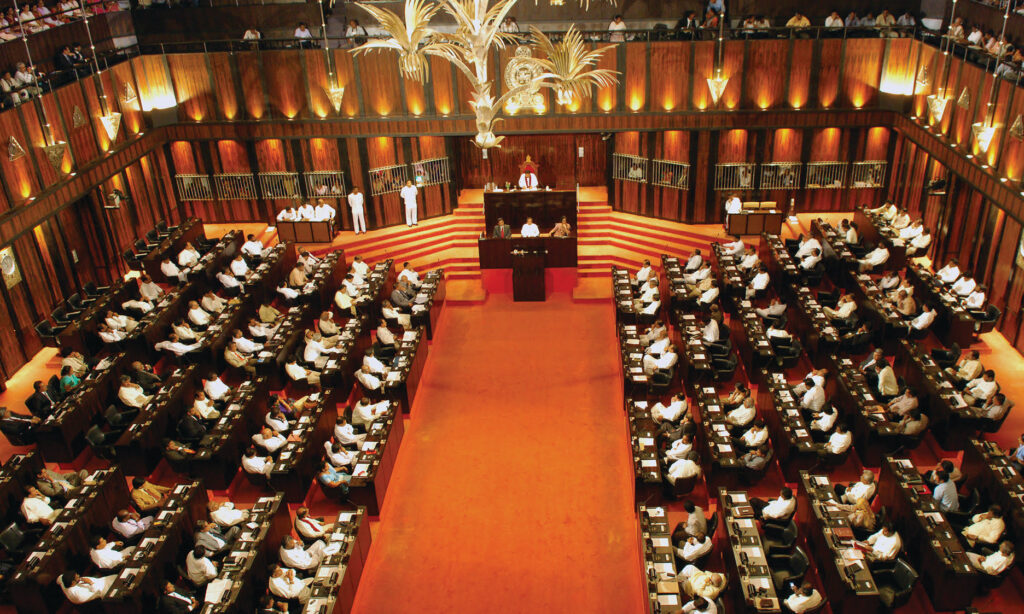
Colombo, April 8, 2025 – In a move hailed by anti-corruption advocates and viewed with cautious optimism by legal experts, the Sri Lankan government today presented the long-awaited “Proceeds of Crime Bill” to Parliament. This landmark legislation aims to establish a robust framework for the tracing, freezing, seizure, and forfeiture of assets acquired through illegal activities. The bill’s introduction marks a significant step in the nation’s fight against corruption and financial crime, potentially impacting the future landscape for politicians and contributing substantially to the struggling national economy.
The bill, championed by President Anura Kumara Dissanayake’s administration, comes at a critical juncture as Sri Lanka grapples with economic instability and persistent allegations of high-level corruption. The government argues that this legislation is essential to recover ill-gotten wealth, deter future illicit activities, and align the country with international anti-money laundering standards and commitments made to the International Monetary Fund (IMF).
Key Pillars of the Proceeds of Crime Bill:
The core tenets of the bill revolve around empowering state agencies to aggressively pursue assets suspected of being the “proceeds of crime.” This encompasses a wide range of illegal activities, including corruption, bribery, money laundering, fraud, and organized crime. Several key features of the proposed legislation stand out:
- Enhanced Investigative Powers: The bill grants law enforcement agencies and financial intelligence units broader powers to investigate and trace assets suspected of being ill-gotten. This includes access to financial records, digital forensics capabilities, and the authority to compel information disclosure.
- Asset Freezing and Seizure Mechanisms: The legislation outlines clear procedures for obtaining court orders to freeze and seize suspicious assets at an early stage of investigation, preventing their dissipation or transfer.
- Forfeiture Provisions: A crucial aspect is the establishment of mechanisms for the state to permanently forfeit assets deemed to be proceeds of crime. This can occur through criminal convictions or, significantly, through non-conviction based forfeiture proceedings in certain circumstances.
- Shift in Burden of Proof (Contentious Clause): One of the most debated elements of the bill is the potential shift in the burden of proof in specific scenarios. If the authorities present credible evidence that an individual possesses assets disproportionate to their legitimate income and sources, the onus may fall on the individual to prove the lawful origin of those assets. This provision has sparked constitutional concerns regarding the right to property and the presumption of innocence.
- Establishment of a Management Authority: The bill proposes the creation of a dedicated “Proceeds of Crime Management Authority” tasked with the responsibility of managing and disposing of forfeited assets in a transparent and accountable manner.
- International Cooperation: The legislation seeks to strengthen collaboration with international jurisdictions to recover assets located overseas, aligning with global efforts against transnational financial crime.
Impact on Post Corrupted Politicians: A New Era of Accountability?
The introduction of the Proceeds of Crime Bill sends a strong signal to politicians, both past and present, who may have amassed wealth through corrupt practices. If enacted and effectively implemented, this legislation could usher in a new era of accountability.
- Increased Risk of Asset Recovery: Corrupt politicians may face a significantly higher risk of having their illegally acquired assets identified, frozen, and ultimately forfeited. This could include not only directly stolen funds but also properties, businesses, and other assets purchased or acquired through illicit means.
- Deterrent Effect: The potential for losing illegally gained wealth could act as a powerful deterrent for future corrupt activities. Politicians may be more hesitant to engage in corrupt practices if they know their ill-gotten gains are at risk of being recovered.
- Non-Conviction Based Forfeiture as a Tool: The possibility of non-conviction based forfeiture proceedings is particularly significant. This could allow the state to recover assets even in cases where a criminal conviction is difficult to secure due to legal complexities, lack of evidence, or the flight of the accused. This could be particularly relevant for recovering assets held by politicians who have left office or the country.
- Increased Scrutiny and Investigation: The bill is likely to lead to increased scrutiny of politicians’ wealth and financial dealings. Law enforcement agencies will be empowered to conduct more thorough investigations into unexplained wealth and potential links to corruption.
- Reputational Damage and Loss of Influence: Beyond the financial implications, the recovery of illegally acquired assets could severely damage the reputation and political influence of those involved in corruption, potentially ending their careers and eroding public trust.
Economic Contribution: A Potential Boost for a Nation in Need
For a Sri Lankan economy currently grappling with significant challenges, the successful implementation of the Proceeds of Crime Bill could offer a much-needed boost.
- Recuperation of Stolen Wealth: Assets recovered through this legislation represent a potential inflow of funds back into the state coffers. These funds could be reinvested in crucial sectors such as healthcare, education, infrastructure development, and social welfare programs, directly benefiting the citizens.
- Strengthening Public Finances: The recovered assets could help alleviate some of the fiscal pressures facing the government, potentially reducing the need for further borrowing or tax increases.
- Improved Investor Confidence: A strong legal framework against corruption and the successful recovery of ill-gotten wealth can significantly improve investor confidence, both domestic and foreign. It signals a commitment to good governance and a level playing field, attracting legitimate investment and fostering economic growth.
- Reduced Capital Flight: By making it more difficult for corrupt individuals to accumulate and hide illicit wealth, the bill could help reduce capital flight, keeping valuable resources within the country.
- Promoting Fair Competition: Corruption often distorts markets and hinders fair competition. Recovering illegally acquired assets can help level the playing field for legitimate businesses and promote a healthier economic environment.
Future Impact for Corrupted Politicians: A Looming Shadow

The passage and effective enforcement of the Proceeds of Crime Bill could cast a long shadow over the future of corrupt politicians in Sri Lanka.
- End of Impunity: It signals a potential end to the culture of impunity that has often allowed corrupt politicians to enjoy their ill-gotten wealth without facing significant consequences.
- Increased Accountability: The bill fosters a greater sense of accountability, making politicians more responsible for the sources of their wealth and potentially deterring future acts of corruption.
- Legal Challenges and Scrutiny: Politicians with questionable wealth will likely face increased legal challenges and public scrutiny regarding their assets. They may be compelled to provide detailed explanations for their wealth accumulation.
- Potential for Disqualification: Depending on the specific provisions and future amendments, individuals found to have benefited from illegally acquired assets could face potential disqualification from holding public office in the future.
- Shifting Political Landscape: Over time, a successful implementation of this bill could contribute to a cleaner and more ethical political landscape, where public service is prioritized over personal enrichment.
Challenges and the Path Forward:
Despite the significant potential benefits, the successful implementation of the Proceeds of Crime Bill will not be without its challenges. These include:
- Potential Legal Challenges: The contentious provisions, particularly the shift in the burden of proof, are likely to face legal challenges based on constitutional grounds.
- Resource Constraints: Effective investigation, prosecution, and asset management require significant resources, including skilled personnel and technological infrastructure.
- Political Will and Independence: The independence and political will of the institutions tasked with implementing the bill will be crucial to its success. Avoiding political interference will be paramount.
- Transparency and Accountability: Ensuring transparency and accountability in the asset recovery and management process will be vital to maintain public trust.
The presentation of the Proceeds of Crime Bill to Parliament today marks a pivotal moment for Sri Lanka. If enacted and rigorously enforced, it holds the promise of recovering billions potentially lost to corruption, strengthening the economy, and fostering a more accountable and ethical political environment for future generations. However, the journey from legislation to impactful change will require sustained political will, robust institutional capacity, and unwavering commitment to the rule of law. The nation now watches closely as Parliament deliberates on this crucial piece of legislation, hoping it will indeed become a potent weapon in the fight against corruption and a catalyst for a more prosperous and just Sri Lanka.